
PROTOTYPE FAST BREEDER REACTOR
2. Prototype Fast Breeder Reactor (PFBR) and India's Nuclear Power Programme
The PFBR is a crucial component of India's nuclear power programme, designed to generate more nuclear fuel than it consumes. Its recent core-loading event is being hailed as a significant milestone, marking the beginning of stage II in India's three-stage nuclear power strategy.
- In the initial stage, India utilized Pressurised Heavy Water Reactors (PHWRs) and natural uranium-238 (U-238) as the fissile material. Neutrons released during nuclear fission reactions in PHWRs are slowed down by heavy water (deuterium) and captured by U-238 and U-235 nuclei, producing energy and plutonium-239 (Pu-239).
- Stage II involves the use of Pu-239, produced in stage I, along with U-238 in the PFBR to generate energy, U-233, and more Pu-239. The Department of Atomic Energy (DAE) established Bharatiya Nabhikiya Vidyut Nigam, Ltd. (BHAVINI) in 2003 to implement stage II.
- In the final stage, Pu-239 will be combined with thorium-232 (Th-232) in reactors to produce energy and U-233. This stage capitalizes on India's significant thorium reserves, making the country self-sufficient in nuclear energy. The three-stage programme, conceived by Homi J. Bhabha, aims to utilize India's abundant thorium resources effectively.

3. Reasons for Delay in PFBR Implementation
- The PFBR project in India has encountered significant delays, cost overruns, and criticism due to various factors.
- The FBTR, serving as a precursor to the PFBR, faced challenges due to sanctions imposed after India's nuclear tests. The use of mixed carbide fuel, instead of enriched uranium originally planned, affected power output and operational conditions, leading to alterations in the project's trajectory.
- The PFBR, designed by the Indira Gandhi Centre for Atomic Research (IGCAR), Kalpakkam, faced hurdles related to design complexities and technological advancements. Original projections for cost (₹3,492 crore) and completion (2010) were overshadowed by unforeseen technical difficulties and changing operational requirements.
- The project witnessed substantial cost escalations, with the initial estimate ballooning to ₹6,800 crore by 2019. The Department of Atomic Energy (DAE) sought additional funds and extended deadlines multiple times, leading to concerns about financial mismanagement and lack of effective oversight.
- An audit by the Comptroller and Auditor General in 2014 revealed procurement inefficiencies, particularly in the reliance on the Nuclear Power Corporation of India, Ltd. (NPCIL) for PFBR components. Delays in procurement processes, with a median delay of 158 days per order, contributed to project setbacks.
- Technical challenges, including those related to reactor coolant, further hindered progress, necessitating adjustments and refinements in the project timeline.
4. Working Principle of the Prototype Fast Breeder Reactor (PFBR)
The PFBR operates on the principle of a fast breeder reactor, designed to generate more fissile material than it consumes.
Fissile Material Production
- Utilization of Pu-239: Pu-239, produced as a byproduct in Pressurised Heavy Water Reactors (PHWRs), is combined with additional U-238 to create a mixed oxide fuel.
- Breeder Blanket: The mixed oxide fuel is loaded into the reactor core along with a breeder blanket. This blanket is a material that reacts with the fission products in the core to produce more Pu-239.
- Fast Neutron Reactions: Unlike in thermal reactors where neutrons are slowed down, in a fast breeder reactor like PFBR, neutrons are not moderated. This allows them to trigger specific fission reactions more efficiently.
Coolant System
- Liquid Sodium Coolant: PFBR utilizes liquid sodium, a highly reactive substance, as a coolant in two circuits.
- Coolant Circulation: The first circuit carries coolant into the reactor core, where it absorbs heat and radioactivity. The heated coolant then flows through heat exchangers, transferring heat to the secondary coolant circuit.
- Electricity Generation: In the secondary circuit, heat from the coolant is utilized to generate electricity using generators.
Challenges and Real-world Issues
- Operational Challenges: Former IGCAR scientist R.D. Kale highlighted challenges in implementing the coolant system efficiently. For instance, preheating the reactor vessel took much longer than anticipated, posing operational hurdles.
5. Role of Small Modular Reactors (SMRs)
Amidst the delays and challenges faced by traditional nuclear reactor projects like the PFBR, Small Modular Reactors (SMRs) emerge as a potential solution offering several advantages.
- SMRs are characterized by their smaller size and modular design, with a maximum capacity of 300 MW. These reactors require less land and can incorporate advanced safety features, making them more adaptable to diverse geographical locations and operational requirements.
- Countries are exploring SMRs as complementary facilities to conventional reactors due to their ability to be installed at reduced cost and time. SMRs can leverage existing infrastructure in brownfield sites, facilitating their integration into existing energy networks more seamlessly.
- SMRs offer the advantage of being compatible with low-enriched uranium, which can be imported by India from the U.S. through established agreements. This allows for greater flexibility in fuel procurement and reduces dependency on domestic uranium sources.
- Realizing the full potential of SMRs necessitates regulatory amendments to accommodate private sector participation under the oversight of the Atomic Energy Regulatory Body (AERB). This would entail ensuring compliance with international safeguards for nuclear fuel and waste management while maintaining control under the Department of Atomic Energy (DAE).
6. Value of Stage II in India's Nuclear Energy Program
Stage II of India's nuclear power program, marked by the implementation of Fast Breeder Reactors (FBRs) such as the Prototype Fast Breeder Reactor (PFBR), holds significant value despite challenges and delays:
Capacity Expansion and Energy Security
The PFBR, with a capacity of 500 MWe, represents a crucial step towards expanding India's nuclear energy capacity. The proposed construction of four additional FBRs, each with a capacity of 600 MWe, underscores the importance of stage II in bolstering energy security and meeting growing electricity demands.
Commercial Viability and Economic Considerations
Despite delays and cost overruns, commercializing stage II technologies such as FBRs is imperative for ensuring the economic viability of nuclear power generation. While nuclear electricity currently costs around ₹4/kWh, advancements in stage II technologies aim to enhance cost-efficiency and competitiveness vis-à-vis alternative energy sources.
Environmental Sustainability and Decarbonization
The global push towards decarbonization and reducing reliance on fossil fuels underscores the relevance of nuclear power as a low-carbon energy source. With renewable energy sources gaining momentum, stage II technologies offer a viable complement to India's renewable energy sector, contributing to environmental sustainability and mitigating climate change impacts.
Geopolitical Imperatives and Energy Independence
India's efforts to diversify its energy mix and reduce dependence on imported fossil fuels align with geopolitical imperatives and national interests. By advancing stage II technologies, India aims to strengthen its energy independence and reduce vulnerability to international energy market fluctuations.
7. Challenges of Stage II in India's Nuclear Energy Program
While stage II of India's nuclear energy program holds promise, it also faces several significant challenges
Technological Complexity and Safety Concerns
Fast Breeder Reactors (FBRs) pose unique technological challenges compared to other reactor designs. Their complex operations and handling requirements demand stringent safety measures. However, the Department of Atomic Energy (DAE) has encountered criticism for its perceived heavy-handed response to safety concerns, leading to public scepticism and apprehension.
Regulatory Oversight and Independence
The current regulatory framework for India's civilian nuclear program, overseen by the Atomic Energy Regulatory Board (AERB), has faced criticism for lacking independence. The AERB's reporting structure ultimately leads back to the DAE secretary, raising concerns about conflicts of interest and transparency. Calls for establishing an independent statutory atomic regulator have been made, echoing recommendations by the International Atomic Energy Agency (IAEA) in 2015.
Regulatory Reforms and Legislation
Efforts to reform the regulatory framework through initiatives like the Nuclear Safety Regulatory Authority (NSRA) Bill have faced challenges. While proposed as a replacement for the AERB, the NSRA Bill drew criticism for potentially granting excessive control to the Union government over the regulatory body's composition, undermining its independence and effectiveness.
Management of Radioactive Byproducts
The thorium fuel cycle, integral to stage II technologies, produces various radioactive isotopes such as caesium-137, actinium-227, radium-224, radium-228, and thorium-230. Managing and safely storing these radioactive byproducts pose significant technical and logistical challenges, requiring robust waste management protocols and infrastructure.
|
For Prelims: Prototype Fast Breeder Reactor, Nuclear Safety Regulatory Authority, Atomic Energy Regulatory Board, International Atomic Energy Agency
For Mains:
1. Discuss the significance of the Prototype Fast Breeder Reactor (PFBR) in India's nuclear power program. Highlight the challenges faced in its implementation and suggest measures to overcome them. (250 Words)
|
|
Previous Year Questions
1. Comprehensive Test Ban Treaty (CTBT) is associated with the ban on which of the following? (Rajasthan PTET 2012)
A. Ban on certain organisations under UN laws
B. Ban on money laundering activities
C. Ban on nuclear tests for developing arsenals
D. Ban on terrorism
2. What is/are the consequence/consequences of a country becoming the member of the ‘Nuclear Suppliers Group’? (2018)
Which of the statements given above is/are correct? (a) 1 only (b) 2 only (c) Both 1 and 2 (d) Neither 1 nor 2
3. Consider the following countries: (UPSC 2015)
Which among the above are Nuclear Weapons States as recognized by the Treaty on the Non-Proliferation of Nuclear Weapons, commonly known as Nuclear Non-Proliferation Treaty (NPT)? (a) 1 and 2 only (b) 1, 3, 4 and 5 only (c) 2, 4 and 5 only (d) 1, 2, 3, 4 and 5
4. The Soviet Union broke down in the year _______. (SSC GD 2019) A. 1991 B. 1880 C. 2000 D. 1900
5. What is the code name of the first Nuclear test of India? (MP Police SI 2016) A. Chagai 1-1 B. Smiling Buddha C. Project 596 D. Shakti 1 – 1 Answers: 1-C, 2-A, 3-A, 4-A, 5-B Mains 1. In what ways would the ongoing U.S-Iran Nuclear Pact Controversy affect the national interest of India? How should India respond to this situation? (UPSC 2018) 2. With growing energy needs should India keep on expanding its nuclear energy programme? Discuss the facts and fears associated with nuclear energy. (UPSC 2018) 3. Give an account of the growth and development of nuclear science and technology in India. What is the advantage of a fast breeder reactor programme in India? (UPSC 2017) |
MONETARY POLICY COMMITTEE (MPC)
Monetary policy refers to the actions and strategies undertaken by a country's central bank to control and regulate the supply of money, credit availability, and interest rates in an economy. Its primary goal is to achieve specific economic objectives, such as price stability, full employment, and sustainable economic growth.
Central banks use various tools to implement monetary policy, including:
Interest Rates: Adjusting the interest rates at which banks lend to each other (known as the federal funds rate in the United States) influences borrowing and spending in the economy.
Open Market Operations: Buying or selling government securities in the open market to regulate the money supply. When a central bank buys securities, it injects money into the system, and when it sells them, it reduces the money supply.
Reserve Requirements: Mandating the amount of reserves banks must hold, affecting their ability to lend money.
By influencing the availability and cost of money, central banks aim to stabilize prices, control inflation, encourage or discourage borrowing and spending, and promote economic growth. However, the effectiveness of monetary policy can be influenced by various factors such as global economic conditions, fiscal policies, and market expectations.
3.What is the primary objective of the monetary policy?
The primary objective of monetary policy typically revolves around maintaining price stability or controlling inflation within an economy. Central banks often set an inflation target, aiming to keep it at a moderate and steady level. Stable prices help in fostering confidence in the economy, encouraging investment, and ensuring that the value of money remains relatively constant over time.
However, while controlling inflation is often the primary goal, central banks might also consider other objectives, such as:
Full Employment: Some central banks have a secondary objective of supporting maximum employment or reducing unemployment rates.
Economic Growth: Encouraging sustainable economic growth by managing interest rates and credit availability to stimulate or cool down economic activity.
Exchange Rate Stability: In some cases, maintaining stable exchange rates might be an important consideration, especially for countries with open economies heavily reliant on international trade.
These additional objectives can vary depending on the economic conditions, priorities of the government, and the central bank's mandate. Nonetheless, ensuring price stability is typically the fundamental goal of most monetary policies, as it forms the basis for a healthy and growing economy.
4. Monetary Policy Committee (MPC)
- In line with the amended RBI Act, 1934, Section 45ZB grants authority to the central government to establish a six-member Monetary Policy Committee (MPC) responsible for determining the policy interest rate aimed at achieving the inflation target.
- The inaugural MPC was formed on September 29, 2016. Section 45ZB stipulates that "the Monetary Policy Committee will ascertain the Policy Rate necessary to meet the inflation target" and that "the decisions made by the Monetary Policy Committee will be obligatory for the Bank."
- According to Section 45ZB, the MPC comprises the RBI Governor as the ex officio chairperson, the Deputy Governor overseeing monetary policy, a Bank official nominated by the Central Board, and three individuals appointed by the central government.
- The individuals chosen by the central government must possess "capabilities, ethical standing, expertise, and experience in economics, banking, finance, or monetary policy" (Section 45ZC)
- The Monetary Policy Committee (MPC) plays a crucial role in managing inflation through its decisions on the policy interest rate.
- When inflation is too high, the MPC might decide to increase the policy interest rate. This action aims to make borrowing more expensive, which can reduce spending and investment in the economy.
- As a result, it could help decrease demand for goods and services, potentially curbing inflation.
- Conversely, when inflation is too low or the economy needs a boost, the MPC might decrease the policy interest rate.
- This move makes borrowing cheaper, encouraging businesses and individuals to spend and invest more, thus stimulating economic activity and potentially raising inflation closer to the target level.
- The MPC's goal is to use the policy interest rate as a tool to steer inflation toward a target set by the government or central bank.
- By monitoring economic indicators and assessing the current and expected inflation levels, the MPC makes informed decisions to maintain price stability within the economy
|
For Prelims: Economic and Social Development
For Mains: General Studies III: Indian Economy and issues relating to planning, mobilization, of resources, growth, development and employment.
|
|
Previous Year Questions
1. Consider the following statements: (UPSC 2021)
1. The Governor of the Reserve Bank of India (RBI) is appointed by the Central Government.
2. Certain provisions in the Constitution of India give the Central Government the right to issue directions to the RBI in the public interest.
3. The Governor of the RBI draws his natural power from the RBI Act.
Which of the above statements is/are correct?
A. 1 and 2 only B. 2 and 3 only C. 1 and 3 only D. 1, 2 and 3
Answer: C
2. Concerning the Indian economy, consider the following: (UPSC 2015)
Which of the above is/are component(s) of Monetary Policy? (a) 1 only (b) 2, 3 and 4 (c) 1 and 2 (d) 1, 3 and 4 Answer: C 3. An increase in Bank Rate generally indicates: (UPSC 2013) (a) Market rate of interest is likely to fall. (b) Central bank is no longer making loans to commercial banks. (c) Central bank is following an easy money policy. (d) Central bank is following a tight money policy. Answer: (d) 4. Which of the following statements is/are correct regarding the Monetary Policy Committee (MPC)? (UPSC 2017) 1. It decides the RBI's benchmark interest rates. 2. It is a 12-member body including the Governor of RBI and is reconstituted every year. 3. It functions under the chairmanship of the Union Finance Minister. Select the correct answer using the code given below: A. 1 only B. 1 and 2 only C. 3 only D. 2 and 3 only Answer: A |
16TH FINANCE COMMISSION
1. Context
2. Finance Commission
- The Finance Commission is a crucial constitutional body in India responsible for the distribution of financial resources between the central government and the state governments.
- It plays a vital role in maintaining fiscal federalism by ensuring a fair and equitable distribution of financial revenues and grants-in-aid among the various tiers of government.
- The Finance Commission is set up every five years, or at such earlier intervals as the President of India may decide, as per Article 280 of the Indian Constitution.
- It consists of a Chairman and four other members, each appointed by the President. These members are experts in the fields of economics, finance, and public administration.
3. Mandate and Functions
- The primary objective of the Finance Commission is to make recommendations to the President regarding the distribution of the net proceeds of taxes between the Union (central government) and the states, and the allocation of resources among the states.
- It also suggests measures to improve the financial position of the states, if necessary. The Commission's recommendations are aimed at addressing regional imbalances and ensuring the overall economic development of the country.
4. The specific functions of the Finance Commission include
- Tax Revenue Sharing: The Commission reviews the trends in revenue collections and recommends the percentage of the divisible pool of taxes that should be shared with the states. The divisible pool includes taxes like income tax, corporate tax, and excise duty.
- Grants-in-Aid: Besides the devolution of taxes, the Finance Commission also suggests grants-in-aid to states to support their financial requirements for various developmental projects and schemes.
- Debt Relief: The Commission may recommend measures to provide relief to states facing a high burden of debt, thereby promoting fiscal discipline.
- Macro-Fiscal Management: It examines the overall financial situation of the country and suggests measures to maintain macroeconomic stability.
- Any Other Matter: The President may also refer specific matters to the Commission for examination and recommendations.
5. Process of Working
- The Finance Commission follows a consultative process while formulating its recommendations.
- It seeks input from various stakeholders, including the central and state governments, local bodies, financial experts, and economists.
- The Commission examines historical data, financial indicators, and the needs of states to arrive at a comprehensive and objective assessment.
- After conducting detailed studies and consultations, the Commission submits its report to the President.
- The recommendations of the Finance Commission are ordinarily binding in nature, and both the central and state governments are expected to implement them. However, their acceptance depends on the discretion of the central government.
6. Importance
- The Finance Commission is crucial in maintaining the federal structure of India and ensuring that all states receive adequate financial support for their development.
- By promoting equitable distribution of resources, helps in reducing regional disparities and fostering balanced economic growth across the country.
- The Commission's recommendations also play a vital role in shaping the fiscal policies of both the central and state governments.
7. Recommendations of the Previous Finance Commission
13th Finance Commission Recommendations:
- Increase the number of court working hours using existing infrastructure.
- Enhance support to Lok Adalats.
- Provide additional funding to State Legal Services Authorities to enhance legal aid for the marginalized.
- Promote the use of Alternative Dispute Resolution (ADR) mechanisms.
- Enhance the capacity of judicial officers and public prosecutors through training programs.
- Support the creation of a judicial academy in every state for training purposes.
- Allocate funds for the setting up of specialized courts.
- Raised states' share in the divisible pool of central taxes to 42%
- Revised to 41% after the number of states reduced to 28
- The withdrawal of Planning Commission grants helped manage the situation
15th Finance Commission Recommendations:
- Gather quantifiable data on the level of various services available in different states.
- Collect corresponding unit cost data to estimate cost disabilities among states.
- Fill gaps in statistical data through the efforts of the Ministry of Statistics.
8. Need for realistic expectations regarding the following 16th Finance Commission
- Acknowledging Implementation Challenges: Recognize the challenges and complexities involved in implementing Finance Commission recommendations, such as coordination issues, administrative capacity, and resistance to change. This understanding will help shape realistic expectations and strategies for addressing these challenges.
- Strengthening Implementation Mechanisms: Focus on improving the implementation mechanisms and processes. This includes enhancing coordination and cooperation between the Union and state governments, strengthening administrative capacity at all levels, and streamlining the implementation of conditionalities to facilitate smoother execution.
- Robust Monitoring and Evaluation: Establish effective monitoring and evaluation mechanisms to track the progress and outcomes of implemented reforms. Regular assessment will help identify implementation gaps and provide opportunities for course correction and improvement.
|
For Prelims: Finance Commission, Article 280, Fiscal Consolidation, Fiscal Federalism, and Alternative Dispute Resolution (ADR) mechanism.
For Mains: 1. Discuss the Role and Challenges of the Finance Commission in Promoting Fiscal Federalism and Ensuring Equitable Resource Distribution in India. (250 words).
|
Previous year Question1. With reference to the Finance Commission of India, which of the following statements is correct? (UPSC 2011)
A. It encourages the inflow of foreign capital for infrastructure development.
B. It facilitates the proper distribution of finances among the Public Sector Undertaking.
C. It ensures transparency in financial administration.
D. None of the statements (a), (b), and (c) given above is correct in this context.
Answer: D
2. With reference to the Fourteenth Finance Commission, which of the following statements is/are correct? (UPSC 2015)
1. It has increased the share of States in the central divisible pool from 32 percent to 42 percent.
2. It has made recommendations concerning sector-specific grants.
Select the correct answer using the code given below.
A. 1 only
B. 2 only
C. Both 1 and 2
D. Neither 1 nor 2
Answer: A
3. Which of the following is/are among the noticeable features of the recommendations of the Thirteenth Finance Commission? (UPSC 2012)
1. A design for the Goods and Services Tax, and a compensation package linked to adherence to the proposed design.
2. A design for the creation of lakhs of jobs in the next ten years in consonance with India's demographic dividend.
3. Devolution of a specified share of central taxes to local bodies as grants
Select the correct answer using the codes given below:
A. 1 only
B. 2 and 3 only
C. 1 and 3 only
D. 1, 2 and 3
Answer: C
|
SPECIAL INTENSIVE REVISION (SIR)
- The Special Intensive Revision (SIR) of the Electoral Rolls is an important exercise undertaken by the Election Commission of India (ECI) to ensure that the voter lists (electoral rolls) are accurate, updated, and inclusive before any major election or as part of the annual revision cycle.
- In simpler terms, the SIR is a comprehensive verification and correction process of the electoral rolls — aimed at including eligible voters, removing ineligible ones, and rectifying errors in the existing list.
- It is called “special” because it involves an intensified, house-to-house verification and greater public participation compared to the routine annual summary revision
- The purpose of the Special Intensive Revision is to maintain the purity, accuracy, and inclusiveness of India’s democratic process. Clean and updated voter rolls are essential for free, fair, and credible elections, as they prevent issues like bogus voting, disenfranchisement, and duplication.
- In summary, the Special Intensive Revision (SIR) is a focused, large-scale voter verification campaign conducted by the Election Commission to ensure that the electoral rolls are error-free, inclusive, and reflective of the current eligible voting population. It plays a crucial role in strengthening the integrity and transparency of India’s electoral system
|
During the Special Intensive Revision, Booth Level Officers (BLOs) visit households to verify voter details such as name, address, age, and photo identity. This exercise helps identify:
|
- Article 324(1) of the Indian Constitution empowers the Election Commission of India (ECI) with the authority to oversee, guide, and manage the preparation of electoral rolls as well as the conduct of elections for both Parliament and the State Legislatures.
- As per Section 21(3) of the Representation of the People Act, 1950, the ECI holds the right to order a special revision of the electoral roll for any constituency, or part of it, at any time and in a manner it considers appropriate.
- According to the Registration of Electors’ Rules, 1960, the revision of electoral rolls may be carried out intensively, summarily, or through a combination of both methods, as directed by the ECI.
- An intensive revision involves preparing an entirely new roll, while a summary revision deals with updating or modifying the existing one
| Aspect | Special Intensive Revision (SIR) | National Register of Citizens (NRC) |
| Purpose | To verify, update, and correct the electoral rolls so that all eligible voters are included and ineligible names are removed | To identify legal citizens of India and detect illegal immigrants |
| Authority / Governing Body | Conducted by the Election Commission of India (ECI) | Conducted under the Ministry of Home Affairs (MHA) |
| Legal Basis | Based on Article 324(1) of the Constitution, Section 21(3) of the Representation of the People Act, 1950, and the Registration of Electors' Rules, 1960. | Governed by the Citizenship Act, 1955 and the Citizenship (Registration of Citizens and Issue of National Identity Cards) Rules, 2003 |
| Scope | Focuses only on Indian citizens aged 18 years and above who are eligible to vote | Covers all residents of India (or a particular state) to determine their citizenship status |
| Nature of the Exercise | A regular, recurring administrative exercise carried out to maintain accurate voter lists | A special, large-scale verification exercise conducted under specific legal or political mandates. |
| Relation to Citizenship | Does not determine citizenship — only eligibility to vote | Directly determines citizenship status |
One of the major concerns is the erroneous deletion of eligible voters from the rolls.
-
Mistakes during house-to-house verification or data entry may lead to legitimate voters—especially migrants, daily-wage workers, and marginalized communities—being left out.
-
Such exclusions can directly affect voter participation and undermine the democratic process.
Despite the intensive verification, fake or duplicate names often remain due to poor coordination or outdated records.
-
Deaths, migrations, or multiple registrations in different constituencies are not always updated accurately.
-
This raises questions about the accuracy and credibility of the electoral rolls.
The SIR is a large-scale field operation requiring trained personnel, coordination among departments, and robust data systems.
-
Booth Level Officers (BLOs) are often overburdened with multiple duties and may not have sufficient time or training for thorough verification.
-
Limited digital infrastructure in rural areas can also hamper real-time data updates.
Electoral roll revisions, especially when conducted close to elections, can spark political allegations of bias or manipulation.
-
Parties may accuse each other or the Election Commission of targeting specific communities or constituencies.
-
Even unintentional errors can lead to trust deficits in the electoral process.
Addressing these concerns is vital to maintain trust in the Election Commission and uphold the credibility of India’s democratic system
|
For Prelims: Special Intensive Revision (SIR), National Register of Citizens (NRC), Election Commission of India (ECI)
For Mains: GS II - Indian Polity
|
Previous year Question1. Consider the following statements: (UPSC 2017)
1. The Election Commission of India is a five-member body.
2. Union Ministry of Home Affairs decides the election schedule for the conduct of both general elections and bye-elections.
3. Election Commission resolves the disputes relating to splits/mergers of recognized political parties.
Which of the statements given above is/are correct?
A. 1 and 2 only
B. 2 only
C. 2 and 3 only
D. 3 only
Answer: D
2. Consider the following statements : (UPSC 2021)
1. In India, there is no law restricting the candidates from contesting in one Lok Sabha election from three constituencies.
2. In the 1991 Lok Sabha Election, Shri Devi Lal contested from three Lok Sabha constituencies.
3. As per the- existing rules, if a candidate contests in one Lok Sabha election from many constituencies, his/her party should bear the cost of bye-elections to the constituencies vacated by him/her in the event of him/her winning in all the constituencies.
Which of the statements given above is/are correct?
A. 1 only
B. 2 only
C. 1 and 3
D. 2 and 3
Answer: B
Mains
1.To enhance the quality of democracy in India the Election Commission of India has proposed electoral reforms in 2016. What are the suggested reforms and how far are they significant to make democracy successful? (UPSC CSE 2017)
|
JYOTI RAO PHULE
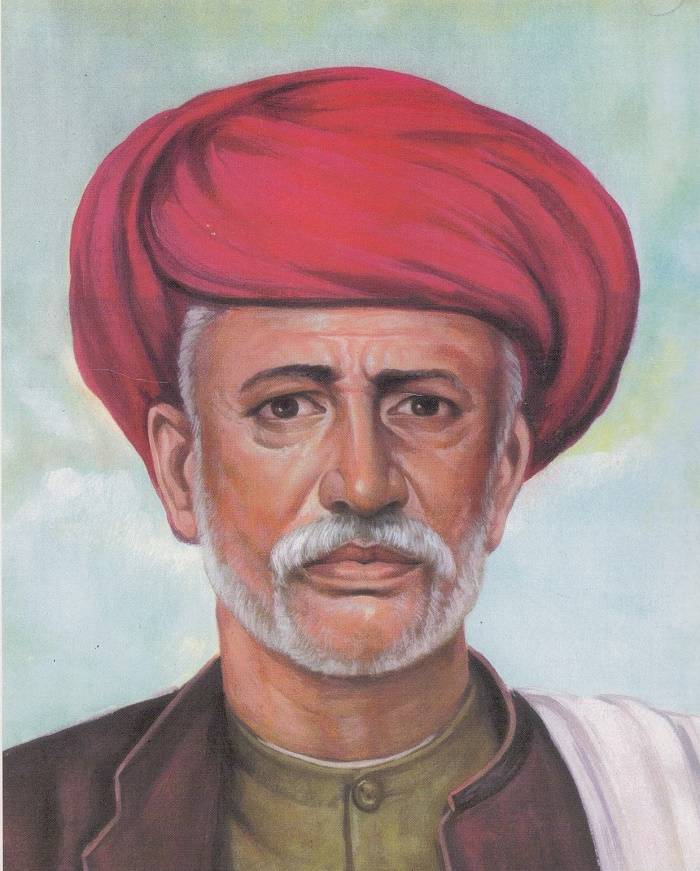
- Jyotirao Govindrao Phule was born in the Satara district of Maharastra in 1827. His father, Govindrao was a vegetable vendor at Poona
- Jyotirao's family belonged to the 'mali' caste and their original title was ‘Gorhay’. Malis was considered an inferior caste by the Brahmins and was shunned socially. Jyotirao's father and uncles served as florists, so the family came to be known as `Phule'. Jyotirao's mother passed away when he was just nine months old
- In 1841, Jyotirao got admission in the Scottish Mission's High School, Poona, and completed his education in 1847. There, he met Sadashiv Ballal Govande, a Brahmin, who remained his close friend throughout his life. At the age of just thirteen years, Jyotirao was married to Savitribai
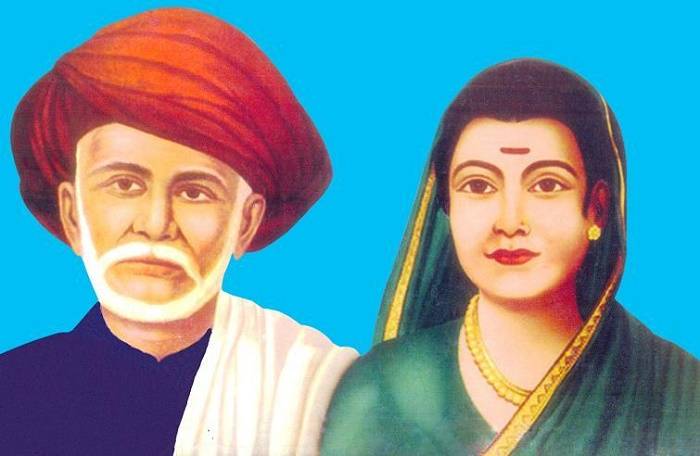
- In 1848, an incident sparked off Jyotiba’s quest against the social injustice of caste discrimination and incited a social revolution in the Indian society
- Jyotirao was invited to attend the wedding of one of his friends who belonged to an upper-cast Brahmin family. But at the wedding, the relatives of the bridegroom insulted and abused Jyotiba when they came to know about his origins
- Jyotirao left the ceremony and made up his mind to challenge the prevailing caste system and social restrictions
- He believed that the enlightenment of the women and lower caste people was the only solution to combat the social evils
- Jyotiba’s quest for providing women and girls with right to education was supported by his wife Savitribai Phule. One of the few literate women of the time, Savitribai was taught to read and write by her husband Jyotirao
- In 1851, Jyotiba established a girls' school and asked his wife to teach the girls in the school. Later, he opened two more schools for girls and an indigenous school for the lower castes, especially for the Mahars and Mangs
- Jyotiba realised the pathetic conditions of widows and established an ashram for young widows and eventually became an advocate of the idea of Widow Remarriage
- Female infanticide was a common occurrence and so was child marriage, with children sometimes being married to men much older
- These women often became widows before they even hit puberty and were left without any family support. Jyotiba was pained by their plight and established an orphanage in 1854 to shelter these unfortunate souls from perishing at society’s cruel hands
- Jyotirao attacked the orthodox Brahmins and other upper castes and termed them as "hypocrites". He campaigned against the authoritarianism of the upper caste people and urged the "peasants" and "proletariat" to defy the restrictions imposed upon them
- He opened his home to people from all castes and backgrounds. He was a believer in gender equality and he exemplified his beliefs by involving his wife in all his social reform activities
- He believed that religious icons like Rama are implemented by the Brahmin as a means for subjugating the lower caste
- The orthodox Brahmins of the society were furious at the activities of Jyotirao. They blamed him for vitiating the norms and regulations of the society
- Many accused him of acting on behalf of the Christian Missionaries. But Jyotirao was firm and decided to continue the movement. Interestingly, Jyotirao was supported by some Brahmin friends who extended their support to make the movement successful
- In 1873, Jyotiba Phule formed the Satya Shodhak Samaj (Society of Seekers of Truth)
- He undertook a systematic deconstruction of existing beliefs and history, only to reconstruct an equality promoting version. Jyotirao vehemently condemned the Vedas, the ancient holy scriptures of the Hindus
- He traced the history of Brahmanism through several other ancient texts and held the Brahmins responsible for framing the exploitative and inhuman laws in order to maintain their social superiority by suppressing the "shudras" and “atishudras” in the society
- The purpose of the Satya Shodhak Samaj was to decontaminate the society from caste discrimination and liberate the oppressed lower-caste people from the stigmas inflicted by the Brahmins
- Jyotirao Phule was the first person to coin the term ‘Dalits’ to apply to all people considered lower caste and untouchables by the Brahmins
- Membership to the Samaj was open to all irrespective of caste and class. Some written records suggest that they even welcomed participation of Jews as members of the Samaj and by 1876 the 'Satya Shodhak Samaj' boasted of 316 members
- In 1868, Jyotirao decided to construct a common bathing tank outside his house to exhibit his embracing attitude towards all human beings and wished to dine with everyone, regardless of their caste
|
For Prelims: Jyotirao phule, Satya Sodhak Samaj, Savitrabhai phule
For Mains: 1. Explain the Contributions of Jyoti rao phule towards Women Upliftment. Discuss the efforts for Caste Discrimination (250 Words)
|
|
Previous Year Questions:
1.Satya Shodhak Samaj organized ( UPSC 2016)
A. a movement for upliftment of tribals in Bihar Answer (C) |
SILVER ECONOMY
- The Silver Economy refers to the part of the economy that is shaped by the needs, aspirations, and economic participation of older people, especially senior citizens and the ageing population. The word silver symbolically comes from the silver or grey hair associated with old age.
- In simple terms, it is the entire ecosystem of goods, services, jobs, technologies, and policies that revolve around people in the later stages of life.
- It is not just about healthcare or pensions. Rather, it covers everything that helps older people live longer, healthier, more independent, and economically active lives.
- To understand it in an explanatory way, imagine a society where the proportion of elderly people is steadily increasing because people are living longer and birth rates are falling.
- This demographic shift changes the nature of demand in the economy. Older people need age-friendly housing, better healthcare, assisted living services, insurance products, medicines, financial planning, rehabilitation support, travel packages designed for seniors, digital tools that are easy to use, and even leisure and wellness services.
- All the industries that respond to these needs together form the silver economy.
- For example, when companies design smart watches that monitor heart rate and falls, or when hospitals expand geriatric care, or when banks create pension investment plans specifically for retired people, these are all part of the silver economy.
- Even sectors like tourism and transport become part of it when they create senior-friendly services such as easy boarding, medical assistance, and comfortable travel packages.
- But the concept goes beyond consumption. It also recognizes that elderly people are not merely dependents; they are also contributors to economic growth.
- Many senior citizens continue to work, invest, mentor younger generations, start businesses, or participate in the service sector. Their experience, skills, and purchasing power make them an important economic force.
- Modern policy discussions increasingly see ageing not as a burden alone, but as an opportunity for innovation, employment generation, and market expansion.
- A very important aspect of the silver economy is technology for ageing populations, sometimes called gerontechnology.
- This includes medical devices, AI-based caregiving tools, mobility aids, telemedicine, home automation systems, and robotic assistance for elderly care. Such innovations not only improve quality of life but also open new markets and industries
- The Silver Economy has both strong advantages and serious challenges. To explain it in a flowing way rather than points, think of it as a double-edged economic transformation caused by an ageing population.
- The first major merit is that it creates new markets and economic opportunities. As the number of elderly people increases, demand rises for healthcare, medicines, medical devices, insurance, assisted living, age-friendly housing, tourism, and digital services.
- This demand encourages innovation and investment, leading to new industries such as geriatric healthcare, telemedicine, mobility aids, and senior-focused financial products. In many countries, this has become a major source of economic growth and job creation.
- Another important merit is that it recognizes senior citizens as active contributors rather than dependents. Older people today often remain healthy and skilled for a longer period of life.
- Many continue to work, mentor younger generations, invest savings, or start small businesses after retirement. Their experience and accumulated wealth can contribute significantly to productivity and consumption in the economy. This helps change the traditional view that ageing is only a burden.
- The silver economy also promotes social inclusion and better quality of life. When governments and businesses focus on elderly needs, it leads to better healthcare infrastructure, improved public transport, senior-friendly urban design, and digital accessibility. This improves dignity, independence, and social participation for older people.
- However, the demerits are equally significant. One major drawback is the pressure on public finances. An ageing population means higher expenditure on pensions, healthcare, old-age care, and social security.
- If the working-age population shrinks while the elderly population grows, governments may face fiscal stress because fewer workers are supporting a larger retired population through taxes.
- A second challenge is the dependency burden on the workforce. When more people retire and fewer young people enter the labour market, the dependency ratio rises.
- This can slow economic growth, reduce labour supply, and put stress on productivity unless supported by technology and policy reforms.
- Another demerit, especially in countries like India, is the unequal access to silver economy benefits. Urban areas may get advanced hospitals, insurance, and senior services, while rural elderly populations may remain excluded because of poor infrastructure, digital illiteracy, and lack of pension coverage
- Kerala’s ageing population is no longer a distant demographic possibility but an ongoing and significant shift that is reshaping the state’s social structure. What was once seen as a future trend has now become an immediate reality with wide-ranging implications.
- By the close of 2026, individuals aged 60 years and above are expected to constitute nearly 20 per cent of Kerala’s population, substantially higher than the national average of around 12 per cent.
- Interestingly, this demographic transition is largely the result of Kerala’s long-standing achievements in the fields of healthcare and education, which have contributed to higher life expectancy and declining birth rates.
- However, the existing social support systems and healthcare infrastructure are not adequately prepared to meet the complex and specialised needs of an ageing society. This concern becomes even more serious as older persons increasingly face rising medical expenses, chronic illnesses, and financial insecurity.
- To effectively respond to this emerging “silver sunrise,” Kerala needs to shift from short-term, reactive responses to a long-term strategy that redesigns both its economy and urban spaces in line with the realities of an ageing population.
- If handled effectively, the state can emerge as a model for the rest of India, especially as demographic ageing gradually becomes a national phenomenon in the coming decades.
- Kerala is uniquely positioned to convert what is often viewed as a demographic challenge into a major economic opportunity.
- The state has often been informally described as an “ageing society” because of significant youth migration to other states and countries, leaving behind a relatively older population.
- To turn this challenge into a sustainable driver of growth, Kerala must adopt a multi-layered policy approach to ageing, one that encourages private sector involvement while safeguarding principles of social justice and inclusiveness.
- This would require moving beyond a purely welfare-oriented approach and embracing a silver economy framework, where elderly care and related services are developed as a high-value and growth-oriented sector.
- In this context, Kerala’s natural geography offers a major advantage. Its tranquil coastal belts and the cool, misty, climate-friendly landscapes of the Western Ghats provide ideal locations for developing high-quality retirement communities.
- Such spaces can serve not only the local elderly population but also attract members of the Indian diaspora and international retirees seeking peaceful living environments
- Strengthening India’s Silver Economy requires a shift from seeing ageing merely as a welfare concern to treating it as a strategic pillar of economic growth, social justice, and human development.
- Since India’s elderly population is expected to rise sharply in the coming decades, reforms must focus on making older persons healthier, financially secure, socially included, and economically productive.
- The first and most urgent reform lies in healthcare transformation. India needs a dedicated geriatric healthcare ecosystem rather than treating elderly care as an extension of general medicine.
- This means expanding geriatric wards in district hospitals, strengthening home-based care, promoting telemedicine, and ensuring regular screening for chronic illnesses such as diabetes, hypertension, arthritis, and dementia.
- Integrating elderly care into Ayushman Bharat and Ayushman Arogya Mandirs would significantly reduce out-of-pocket expenditure and improve access, especially in rural areas.
- A second major reform is financial security and pension expansion. A large proportion of India’s workforce is employed in the informal sector and reaches old age without adequate savings or social protection.
- Therefore, pension schemes such as the Atal Pension Yojana need wider coverage, higher awareness, and better contribution flexibility.
- Insurance products specifically designed for senior citizens, including long-term care and assisted-living coverage, must also be promoted so that old age does not translate into financial vulnerability.
- Another important reform is to create employment opportunities for senior citizens. Many elderly persons remain physically and mentally capable of working but face age-based discrimination and lack of flexible jobs.
- India should encourage part-time work, consultancy roles, mentoring positions, digital freelancing, and re-skilling programmes through platforms such as the SACRED Portal. This will help seniors remain economically independent while also allowing the economy to benefit from their experience and knowledge.
- India also needs reforms in the care economy and skill development sector. A rapidly ageing population requires trained caregivers, physiotherapists, geriatric nurses, and counsellors.
- The recent push to train caregivers is a step in the right direction, but it must be scaled up through vocational institutions and skill missions. This not only supports elderly care but also creates employment for youth, especially women, thereby generating a “double dividend.”
- Urban planning reforms are equally important. India’s cities and towns need to become age-friendly spaces with barrier-free public transport, accessible footpaths, senior-friendly housing, emergency response systems, and community day-care centres. Such reforms are essential for preserving dignity and independent living among senior citizens.
- Finally, India should promote innovation and private investment in elder-tech. Startups working in remote health monitoring, fall-detection devices, smart homes, assistive robotics, and retirement communities should receive policy incentives, tax support, and regulatory clarity. This would help transform the silver economy into a major growth sector
|
For Prelims: Economic and Social Development
For Mains: General Studies I: population and associated issues
|
|
Previous Year Questions
1. Consider the following statements with reference to Indira Gandhi National Old Age Pension Scheme (IGNOAPS): (UPSC CSE, 2008)
1. All persons of 60 years or above belonging to the households below poverty line in rural areas are eligible. 2. The Central Assistance under this Scheme is at the rate of `300 per month per beneficiary. Under the Scheme, States have been urged to give matching amounts. Which of the statements given above is/are correct? (a) 1 only (b) 2 only (c) Both 1 and 2 (d) Neither 1 nor 2 Answer (d)
2.Consider the following statements with reference to Indira Gandhi National Old Age Pension Scheme (IGNOAPS): (2008)
Which of the statements given above is/are correct? (a) 1 only (b) 2 only (c) Both 1 and 2 (d) Neither 1 nor 2 Answer (d) |


