
ADITYA-L1
1. Context
2. About Aditya-L1
- Aditya-L1's core objective revolves around positioning a spacecraft in the 'L1' spot in space, marking India's inaugural dedicated solar mission.
- This mission follows ISRO's successful AstroSat (2015), making it the agency's second astronomy observatory-class endeavour.
.png)
3. A Paradigm Shift in Solar Observations
- India's prior solar observations relied on ground-based telescopes and data from international solar missions.
- With ageing ground-based telescopes, India lacked a modern observational facility.
- Aditya-L1 seeks to address this gap and provide comprehensive solar data, advancing solar physics research.
4. Space weather alerts
- Astronomy-based space missions are gaining prominence due to their potential to inspire youth and contribute to scientific advancements.
- These missions, although time-consuming in development, play a crucial role in expanding our understanding of celestial phenomena.
- Solar flares, Coronal Mass Ejections (CMEs), and solar winds can disrupt space weather and impact satellite-dependent operations, such as telecommunications and power grids.
- Aditya-L1's role in studying the Sun is pivotal in enhancing our ability to predict and manage space weather disruptions.
- While AstroSat remains operational after eight years, Aditya-L1 presents a promising path for future Indian astronomy missions.
- With seven payloads, including instruments dedicated to solar observation, Aditya-L1 aims to advance our understanding of solar eruptions and flares.
- Solar physics now demands multiwavelength astronomy to comprehensively study solar events.
- Coordinating data from various instruments on Aditya-L1 is crucial to unravelling the complexities of solar phenomena.
- Aditya-L1 seeks to provide user-friendly information for safeguarding satellite-dependent operations.
- It may generate space weather alerts based on data obtained, enhancing our preparedness for space weather disturbances.
5. The Significance of L1
- Aditya-L1 embarks on a journey of nearly 100 days to reach L1, a location between the Earth and the Sun.
- This journey is shorter than Mangalyaan's voyage to Mars in 2014.
- After departing Earth's gravity, Aditya-L1 will enter a heliocentric path before reaching the L1 orbit.
- Six of Aditya-L1's payloads will remain inactive until approximately January 6, 2024, when the spacecraft is expected to enter a 'halo' orbit near L1.
- The activation of these payloads will enable the calibration of instruments before the commencement of scientific data collection.
- The L1 point in space, where Aditya-L1 will position itself, is one of the five Lagrange Points existing between any two celestial bodies in space.
- Being at L1 allows the spacecraft to make continuous observations with minimal energy expenditure.
- L1 is favoured for its unobstructed view of the Sun, making it ideal for solar research.
12. The Way Forward
- The Aditya-L1 mission represents a significant step in India's space exploration journey, offering the nation a unique opportunity to study the Sun comprehensively and contribute to space weather predictions.
- Positioned at the L1 point, this mission holds great promise for advancing our understanding of the Sun and its impact on Earth's space environment.
|
For Prelims: ISRO, Aditya L1, AstroSat, Coronal Mass Ejections, 'halo' orbit,
For Mains:
1. Describe the significance of the Aditya-L1 mission in the context of India's space exploration efforts. Explain how it differs from India's previous solar experiments. (250 Words)
|
|
Previous Year Questions
1. With reference to India's satellite launch vehicles, consider the following statements: (UPSC 2018)
1. PSLVs launch satellites useful for Earth resources monitoring whereas GSLVs are designed mainly to launch communication satellites.
2. Satellites launched by PSLV appear to remain permanently fixed in the same position in the sky, as viewed from a particular location on Earth.
3. GSLV Mk III is a four-stage launch vehicle with the first and third stages using solid rocket motors, and the second and fourth stages using liquid rocket engines.
Which of the statements given above is/are correct?
A. 1 only
B. 2 and 3
C. 1 and 2
D. 3 only
Answer: A
2. ISRO is related to: (SSC JE EE 2020)
A. space research B. agricultural research C. seed research D. marine research
Answer: A
3. Aditya L1 is a ______. (ISRO IPRC Technical Assistant Mechanical 2016)
A. Long-range missile
B. Rocket to moon
C. Spacecraft project
D. Light combat aircraft
Answer: C
4. With reference to 'Astrosat', the astronomical observatory launched by India, which of the following statements is/are correct? (UPSC 2016)
1. Other than USA and Russia, India is the only country to have launched a similar observatory into space.
2. Astrosat is a 2000 kg satellite placed in an orbit at 1650 km above the surface of the Earth. Select the correct answer using the code given below.
A. 1 only B. 2 only C. Both 1 and 2 D. Neither 1 nor 2
Answer: D
5. If a major solar storm (solar flare) reaches the Earth, which of the following are the possible effects on the Earth? (UPSC 2022)
1. GPS and navigation systems could fail.
2. Tsunamis could occur at equatorial regions.
3. Power grids could be damaged.
4. Intense auroras could occur over much of the Earth.
5. Forest fires could take place over much of the planet.
6. Orbits of the satellites could be disturbed.
7. Shortwave radio communication of the aircraft flying over polar regions could be interrupted.
Select the correct answer using the code given below:
A. 1, 2, 4 and 5 only
B. 2, 3, 5, 6 and 7 only
C. 1, 3, 4, 6 and 7 only
D. 1, 2, 3, 4, 5, 6 and 7
Answer: C
|
PURCHASING MANAGERS INDEX (PMI)
- PMI is typically calculated through surveys of purchasing managers in various industries. These managers are asked about their perception of different aspects of business activity, including new orders, production levels, employment, supplier deliveries, and inventories.
- PMI is usually reported as a number between 0 and 100.
- A PMI value above 50 generally indicates expansion in the sector, while a value below 50 suggests contraction. The farther the PMI is from 50, the stronger the perceived expansion or contraction.
- PMI is considered a leading indicator because it provides insights into economic conditions before official economic data, such as GDP growth or employment figures, are released. It can be used to anticipate changes in economic activity.
- PMIs are calculated separately for manufacturing and services sectors. A Manufacturing PMI focuses on the manufacturing sector, while a Services PMI provides insights into the services sector. These sector-specific PMIs can give a more detailed view of the economy.
Components: PMI is composed of several components, including:
- New Orders: This component measures the number of new orders received by businesses. An increase in new orders often signals growing demand and economic expansion.
- Production: This component reflects changes in production levels. An increase suggests increased economic activity.
- Employment: The employment component indicates changes in the level of employment within the sector. An increase typically means job growth.
- Supplier Deliveries: This measures the speed at which suppliers can deliver materials. Slower deliveries may indicate supply chain issues or increased demand.
- Inventories: Inventory levels can be an indicator of expected demand. A decrease in inventories might suggest an expectation of rising demand.
- The Purchasing Managers' Index (PMI) is a significant economic indicator with several important implications and uses
- PMI serves as a barometer of the economic health of a country or region. A PMI above 50 generally indicates economic expansion, while a PMI below 50 suggests contraction.
- This provides a quick and easily understandable snapshot of the direction of economic activity, making it a valuable tool for assessing the overall economic climate.
- PMI is a leading indicator, meaning it often provides insights into economic conditions ahead of other official economic data, such as GDP growth or employment figures. As such, it is used by businesses, investors, and policymakers to anticipate changes in economic activity and make informed decisions
|
Previous Year Questions
1.What does S & P 500 relate to? (UPSC CSE 2008) (a) Supercomputer Answer: (d) |
RESERVE BANK OF INDIA (RBI)
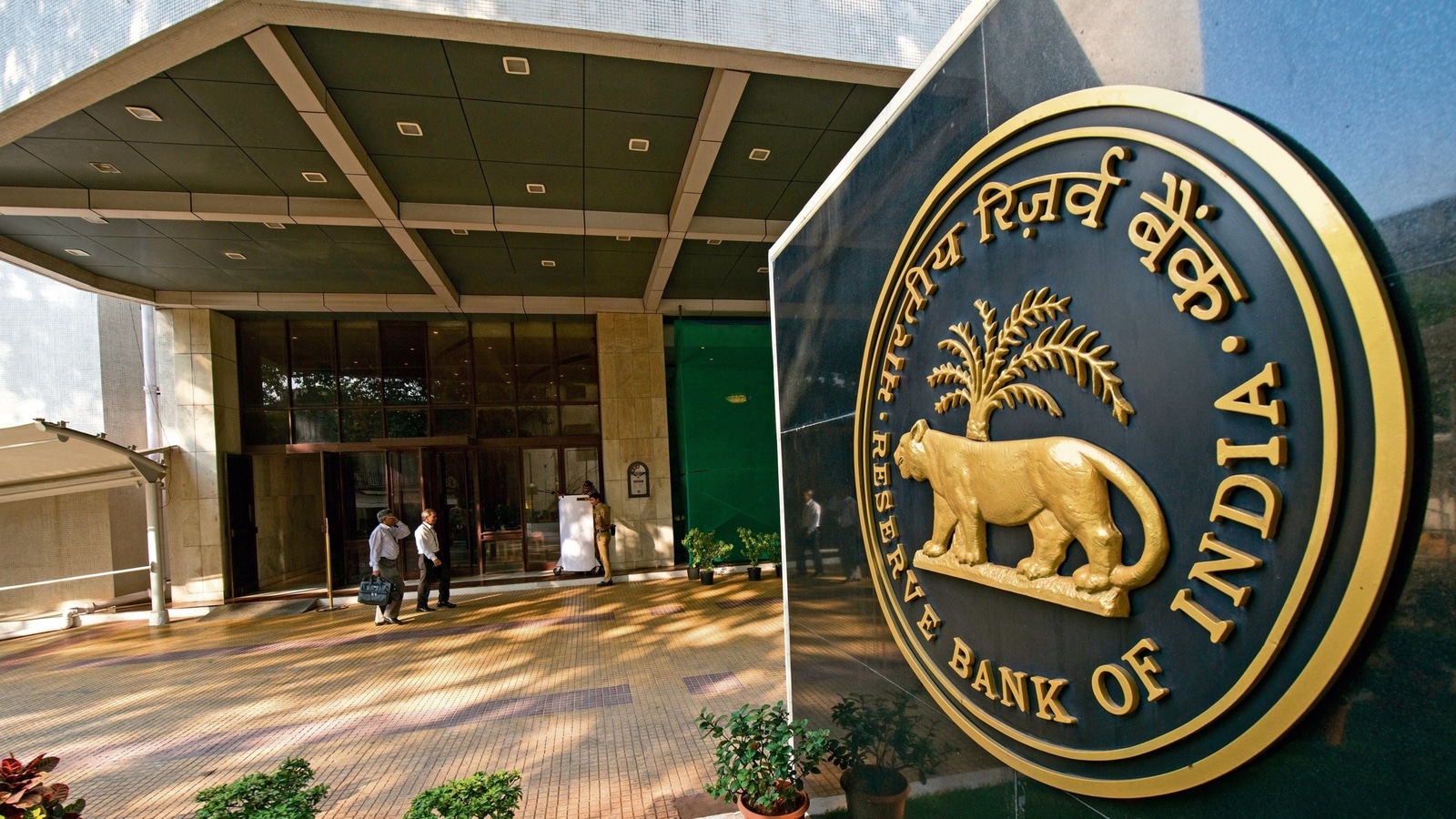
- The Reserve Bank of India (RBI) was established on April 1, 1935, when it was established by the Reserve Bank of India Act of 1934.
- Initially based in Calcutta, it serves as the apex monetary authority, regulator, and supervisor of India's financial system, exercising control over monetary policy, managing foreign exchanges, and overseeing payment and settlement systems.
- The establishment of the RBI was influenced by Dr. B.R. Ambedkar's seminal work, "The Problem of the Rupee – Its Origin and its Solution," and was founded based on the recommendations of the Hilton Young Commission in 1926.
- Beyond its regulatory functions, the RBI also plays a developmental role, acts as the issuer of currency, and functions as the banker to the Government of India.
The significant events in the history of the Reserve Bank of India
- The British government enacted the Reserve Bank of India Act in 1934, laying the foundation for the central bank's establishment.
- On April 1st 1935, the Reserve Bank of India commenced operations in Calcutta.
- In 1937 The RBI's headquarters were permanently relocated to Mumbai, where it continues to be situated.
- 1949 Following India's independence, the RBI underwent nationalization, transitioning from private ownership to being held by the Government of India. Before this, the bank had private stakeholders.
The preamble of the Reserve Bank of India (RBI) outlines the fundamental objectives and functions of the central bank. The preamble of the RBI Act 1934 states
"An Act to constitute a Reserve Bank for India to regulate the issue of Bank notes and the keeping of reserves to secure monetary stability in India and generally to operate the currency and credit system of the country to its advantage."
This preamble highlights the key roles and responsibilities of the RBI, which include:
- The RBI is responsible for regulating the issuance of currency notes in India. It ensures the stability and integrity of the currency system.
- The RBI is mandated to maintain adequate reserves to support monetary stability. This includes managing foreign exchange reserves and gold reserves.
- One of the primary objectives of the RBI is to secure monetary stability in India. This involves controlling inflation, managing interest rates, and promoting economic stability.
- The RBI operates and oversees the currency and credit system of the country. It plays a crucial role in managing liquidity, credit flow, and overall financial stability.
The objectives of the Reserve Bank of India (RBI) encompass a range of crucial functions aimed at ensuring the stability, growth, and integrity of India's financial and economic systems. These objectives include
- The RBI is tasked with overseeing and regulating the nation's currency and credit system to ensure smooth financial operations and effective credit flow throughout the economy.
- One of the primary goals of the RBI is to safeguard monetary stability in India by managing reserves effectively and implementing policies that control inflation and stabilize the value of the currency.
- The RBI holds the responsibility of issuing banknotes, maintaining their quality, and managing their circulation across the country to facilitate efficient financial transactions.
- The RBI works diligently to maintain financial stability by engaging in prudent activities and insulating itself from undue political influences. This independence allows it to make decisions based on economic considerations rather than political pressures.
- Through its policies and interventions, the RBI aims to support economic growth and contribute to the planned advancement of the country's economy, fostering a conducive environment for sustainable development.
- The RBI acts as the banker to commercial banks, providing them with essential services such as clearing and settlement. It also serves as the banker to the government, managing its accounts, facilitating transactions, and helping in debt management. Additionally, it serves as the primary authority for issuing currency notes, ensuring the smooth functioning of the monetary system.
The structure of the Reserve Bank of India consists of various components that work together to fulfil the central bank's functions and responsibilities.
Central Board of Directors
- The Central Board of Directors is the supreme decision-making body of the RBI.
- It comprises official directors, including the Governor, Deputy Governors, and other senior officials, as well as non-official directors appointed by the Government of India.
- The Central Board oversees the overall functioning of the RBI, including formulating policies, supervising operations, and managing key functions.
Governor
- The Governor is the highest-ranking official in the RBI and is appointed by the Government of India.
- The Governor plays a crucial role in setting monetary policy, representing the RBI in various forums, and managing the day-to-day operations of the central bank.
- The Governor chairs meetings of the Central Board and is responsible for executing RBI's policies and decisions.
Deputy Governors
- The RBI typically has four Deputy Governors, each responsible for specific areas such as monetary policy, banking regulation, currency management, and internal operations.
- Deputy Governors assist the Governor in policy formulation, decision-making, and overseeing key functions of the RBI.
Departments and Wings
- Monetary Policy Department Formulates and implements monetary policies, manages interest rates and monitors economic indicators.
- Department of Banking Regulation Regulates and supervises banks and financial institutions, enforces prudential norms, and ensures financial stability.
- Department of Currency Management Manages currency issuance, circulation, and coinage operations.
- Foreign Exchange Department Manages foreign exchange reserves, formulates exchange rate policies, and regulates foreign exchange transactions.
- Financial Stability Unit Monitors systemic risks, assesses financial stability, and coordinates efforts to maintain a stable financial system.
- Information Technology (IT) Department Manages IT infrastructure, digital banking initiatives, and cybersecurity measures.
Regional Offices
- The RBI has regional offices located in major cities across India.
- These regional offices play a vital role in implementing RBI policies at the grassroots level, supervising regional banks, and addressing regional banking and financial issues.
Committees and Advisory Groups
- The RBI forms various committees and advisory groups to provide expert advice, conduct research, and make recommendations on specific areas such as monetary policy, financial inclusion, risk management, and regulatory reforms.
- Examples include the Monetary Policy Committee (MPC), Board for Financial Supervision (BFS), and Internal Working Groups (IWGs) on various policy matters.
Autonomous Boards and Subsidiaries
- The RBI also oversees autonomous boards and subsidiaries that focus on specialized functions such as regulation of non-banking financial companies (NBFCs), development finance, and financial inclusion.
- Examples include the National Bank for Agriculture and Rural Development (NABARD), National Housing Bank (NHB), and Bharatiya Reserve Bank Note Mudran Private Limited (BRBNMPL).
Monetary Policy Formulation and Implementation
- The RBI formulates and implements monetary policy to achieve price stability and promote sustainable economic growth.
- It sets key policy rates such as the repo rate, reverse repo rate, and marginal standing facility (MSF) rate to influence liquidity conditions and interest rates in the economy.
- The RBI also conducts open market operations (OMOs) to manage liquidity in the financial system.
Currency Issuance and Management
- The RBI is responsible for issuing currency notes and coins in India. It ensures an adequate supply of currency to meet the demand for cash transactions.
- It manages the distribution, circulation, and withdrawal of currency to maintain its integrity and prevent counterfeiting.
- The RBI regulates and supervises banks, non-banking financial companies (NBFCs), payment banks, small finance banks, and other financial institutions.
- It sets prudential norms, capital adequacy requirements, and risk management guidelines to ensure the stability and soundness of the financial system.
- The RBI conducts regular inspections, audits, and surveillance to assess compliance with regulatory standards and address potential risks.
Foreign Exchange Management
- The RBI manages India's foreign exchange reserves to support external trade, maintain exchange rate stability, and meet international payment obligations.
- It formulates policies and regulations governing foreign exchange transactions, capital flows, and external borrowings.
- The RBI intervenes in the foreign exchange market to stabilize the rupee and prevent excessive volatility in the exchange rate.
Developmental Role
- The RBI plays a developmental role by promoting financial inclusion, expanding access to banking services, and fostering the development of the financial sector.
- It implements initiatives such as priority sector lending, microfinance, and financial literacy programs to address the needs of underserved segments of the population.
- The RBI also supports the development of financial infrastructure, including payment systems, credit information bureaus, and regulatory frameworks for emerging sectors such as fintech.
Regulation of Payment and Settlement Systems
- The RBI regulates and oversees payment and settlement systems in India to ensure efficiency, safety, and reliability in financial transactions.
- It operates and manages key payment systems such as the Real-Time Gross Settlement (RTGS) system, National Electronic Funds Transfer (NEFT), and Unified Payments Interface (UPI).
- The RBI sets standards, guidelines, and regulations for participants in payment systems and monitors their compliance to mitigate systemic risks.
Financial Stability and Systemic Risk Management
- The RBI monitors and assesses systemic risks in the financial system to maintain financial stability.
- It conducts stress tests, risk assessments, and scenario analyses to identify vulnerabilities and take preventive measures.
- The RBI collaborates with other regulatory authorities and participates in international forums to address global financial stability issues.
The Reserve Bank of India (RBI) administers several key acts and regulations that govern various aspects of the banking, financial, and monetary system in India.
- The Reserve Bank of India Act, 1934 establishes the RBI as India's central bank and outlines its functions, powers, and governance structure.
- Public Debt Act, 1944/Government Securities Act, 2006 regulate the issuance, management, and trading of government securities in India. They provide the legal framework for government borrowing and debt management.
- Government Securities Regulations, 2007 supplement the Government Securities Act, 2006, and provide detailed guidelines for the issuance, trading, and settlement of government securities.
- Banking Regulation Act, 1949 empowers the RBI to regulate and supervise banks and banking activities in India. It covers aspects such as licensing, operations, governance, and resolution of banking crises.
- Foreign Exchange Management Act, 1999 (FEMA) governs foreign exchange transactions, capital flows, and external trade-related payments. The RBI administers FEMA and issues regulations to manage India's foreign exchange reserves and control cross-border transactions.
- Securitisation and Reconstruction of Financial Assets and Enforcement of Security Interest Act, 2002 (Chapter II) deals with the securitization and reconstruction of financial assets and enforcement of security interests by banks and financial institutions. The RBI oversees compliance with Chapter II of this act.
- Credit Information Companies (Regulation) Act, 2005 regulates credit information companies (CICs) that collect and disseminate credit-related information. The RBI supervises CICs and ensures compliance with data protection and consumer rights standards.
- Payment and Settlement Systems Act, 2007 provides the legal framework for regulating payment and settlement systems in India. The RBI administers and supervises payment systems to ensure their safety, efficiency, and reliability.
- Payment and Settlement Systems Regulations, 2008 regulations supplement the Payment and Settlement Systems Act, 2007, and provide detailed rules and procedures for payment system operators, participants, and settlement processes.
- Factoring Regulation Act, 2011 regulates and promotes factoring services, which involve the purchase and management of receivables or invoices. The RBI oversees compliance with the Factoring Regulation Act.
The Reserve Bank of India (RBI) undertakes various initiatives to promote financial stability, inclusion, and economic growth in India.
Financial Inclusion
- The RBI encourages banks to provide microloans to small businesses and low-income individuals.
- Initiatives like Pradhan Mantri Jan Dhan Yojana (PMJDY) are supported to expand bank accounts and financial services in rural areas.
- The RBI simplifies regulations and promotes digital banking to make financial services more accessible.
Consumer Protection
- The RBI conducts awareness campaigns and provides resources to educate citizens about financial products and safe banking practices.
- The Integrated Ombudsman Scheme allows customers to file complaints against banks and financial institutions.
- The RBI sets guidelines for bank charges to ensure transparency and fairness for consumers.
Financial Regulation and Development
- The RBI uses monetary policy tools like interest rates to manage inflation and promote economic growth.
- Regular inspections and regulations ensure the smooth functioning and financial stability of banks.
- The RBI implements reforms to address emerging challenges and strengthen the financial system.
Digital Payments
- The RBI supports initiatives like UPI (Unified Payments Interface) to facilitate cashless transactions and financial inclusion.
- Guidelines and regulations are issued to enhance the security of digital banking platforms.
- The RBI encourages innovation in the digital payments space to improve efficiency and convenience.
Other Initiatives
- Financial Literacy Weeks-focused campaigns are organized to raise awareness on specific financial topics every year.
- The RBI takes steps to promote the development of a healthy and efficient financial market ecosystem.
- The RBI manages India's foreign exchange reserves to maintain a stable exchange rate.
The Reserve Bank of India (RBI) regularly publishes a wide range of reports, publications, and research papers covering various aspects of the economy, financial markets, banking sector, and monetary policy.
- The RBI's Annual Report provides a comprehensive overview of the Indian economy, monetary policy developments, financial stability assessments, and the central bank's operations and initiatives throughout the year. It includes financial statements, policy reviews, and analysis of economic indicators.
- The RBI publishes bi-monthly Monetary Policy Reports, which contain detailed assessments of macroeconomic conditions, inflation projections, monetary policy decisions, and policy stance. These reports provide insights into the RBI's outlook and strategies for managing monetary policy.
- The Financial Stability Report (FSR) is published bi-annually by the RBI and assesses the overall stability of the financial system, including banking sector health, asset quality trends, risk assessments, and policy recommendations to mitigate systemic risks.
- The RBI releases various statistical publications, including the Handbook of Statistics on the Indian Economy, Monthly Bulletin, and Reports on Currency and Finance. These publications provide comprehensive data and analysis on key economic and financial indicators, monetary aggregates, and sectoral trends.
- The RBI publishes occasional papers, research studies, and working papers on topics related to monetary economics, financial markets, banking regulation, payment systems, and economic policy. These publications contribute to the central bank's research agenda and policy formulation.
- The RBI issues reports and guidelines on regulatory frameworks for banks, non-banking financial companies (NBFCs), payment systems, and other financial institutions. These include circulars, notifications, and reports on regulatory developments, prudential norms, and compliance requirements.
- The RBI Governor, Deputy Governors, and senior officials deliver speeches, addresses, and presentations at various forums, conferences, and seminars. These speeches provide insights into the RBI's policy priorities, perspectives on economic issues, and guidance on financial sector developments.
- The RBI conducts public awareness campaigns and educational initiatives to promote financial literacy, consumer protection, and awareness about banking services, digital payments, and financial products. These campaigns aim to empower individuals with knowledge and skills for informed financial decision-making.
|
For Prelims: RBI, Monetary Policy, Pradhan Mantri Jan Dhan Yojana, UPI
For Mains:
1. The rise of digital payments has significantly transformed the financial landscape in India. Discuss the role of the RBI in facilitating and regulating digital payments. What are the key challenges associated with digital payments? (250 Words)
2. Analyse the relationship between the RBI and the Government of India. Discuss the importance of maintaining the central bank's independence for effective monetary policy implementation. (250 Words)
3. The RBI plays a crucial role in regulating and supervising banks and financial institutions. Explain the different functions performed by the RBI in ensuring financial stability. (250 Words)
|
|
Previous Year Questions
1. With reference to the Indian economy, consider the following statements: (UPSC 2022)
1. An increase in the Nominal Effective Exchange Rate (NEER) indicates the appreciation of the rupee.
2. An increase in the Real Effective Exchange Rate (REER) indicates an improvement in trade competitiveness.
3. An increasing trend in domestic inflation relative to inflation in other countries is likely to cause an increasing divergence between NEER and REER.
Which of the above statements are correct?
A. 1 and 2 only B. 2 and 3 only C. 1 and 3 only D. 1, 2 and 3
2. With reference to Indian economy, consider the following statements: (UPSC 2015) 1. The rate of growth of Real Gross Domestic Product has steadily increased in the last decade.
2. The Gross Domestic Product at market prices (in rupees) has steadily increased in the last decade.
Which of the statements given above is/are correct? (a) 1 only (b) 2 only (c) Both 1 and 2 (d) Neither 1 nor 2
3. Which one of the following activities of the Reserve Bank of India is considered to be part of 'sterilization’? (UPSC 2023) (a) Conducting 'Open Market Operations' (b) Oversight of settlement and payment systems (c) Debt and cash management for the Central and State Governments (d) Regulating the functions of Non-banking Financial Institutions
4. In India, which one of the following is responsible for maintaining price stability by controlling inflation? (UPSC 2022) (a) Department of Consumer Affairs (b) Expenditure Management Commission (c) Financial Stability and Development Council (d) Reserve Bank of India
5. With reference to India, consider the following statements: (UPSC 2021) 1. Retail investors through demat account can invest in ‘Treasury Bills’ and ‘Government of India Debt Bonds’ in primary market.
2. The ‘Negotiated Dealing System-Order Matching’ is a government securities trading platform of the Reserve Bank of India.
3. The ‘Central Depository Services Ltd.’ is jointly promoted by the Reserve Bank of India and the Bombay Stock Exchange.
Which of the statements given above is/are correct? (a) 1 only (b) 1 and 2 only (c) 3 only (d) 2 and 3 only
6. Consider the following statements (UPSC 2021) 1. The Governor of the Reserve Bank of India (RBI) is appointed by the Central Government.
2. Certain provisions in the Constitution of India give the Central Government the right to issue directions to the RBI in public interest.
3. The Governor of the RBI draws his power from the RBI Act.
Which of the above statements are correct? (a) 1 and 2 only (b) 2 and 3 only (c) 1 and 3 only (d) 1, 2 and 3 Answers: 1-C, 2-B 3-A, 4-A, 5-B, 6-C |
UNIFORM CIVIL CODE (UCC)
- Underlining that the Uniform Civil Code is “neither necessary nor desirable at this stage”, the 21st Law Commission of India, in 2018, argued for reform of family laws of every religion through amendments and codification of certain aspects so as to make them gender-just
- In its ‘Consultation Paper on Family Law Reforms’, the Law Commission took a stand in favour of “equality ‘within communities’ between men and women” (personal law reform), “rather than ‘equality between’ communities” (UCC)
- According to the 22nd Law Commission Cultural diversity cannot be compromised to the extent that our urge for uniformity itself becomes a reason for threat to the territorial integrity of the nation
- women must be guaranteed their freedom of faith without any compromise on their right to equality
- A UCC would provide for one law for the entire country, applicable to all religious communities, in their personal matters such as marriage, divorce, inheritance, adoption etc
- Currently, Indian personal law is fairly complex, with each religion adhering to its own specific laws
- Separate laws govern Hindus including Sikhs, Jains and Buddhist, Muslims, Christians, and followers of other religions
- Moreover, there is diversity even within communities. All Hindus of the country are not governed by one law, nor are all Muslims or all Christians
- For instance, in the Northeast, there are more than 200 tribes with their own varied customary laws
- The Constitution itself protects local customs in Nagaland. Similar protections are enjoyed by Meghalaya and Mizoram. Even reformed Hindu law, in spite of codification, protects customary practices
- The exception to this rule is the state of Goa, where all religions have a common law regarding marriages, divorces, and adoption
- Article 44 of the Constitution lays down that the state shall endeavour to secure a UCC for citizens throughout the territory of India
- Article 44 is among the Directive Principles of State Policy. Directive Principles are not enforceable by court, but are supposed to inform and guide governance
- However, in some senses, Article 44 is unique in this manner. While Article 44 uses the words “state shall endeavour”, other Articles in the ‘Directive Principles’ chapter use words such as “in particular strive”; “shall in particular direct its policy”; “shall be obligation of the state
- The phrase “by suitable legislation” is absent in Article 44. All this implies that the duty of the state is greater in other directive principles than in Article 44
|
For Prelims: Unifrom Civil Code (UCC), DPSP, Fundamental rights, Law Commission
For Mains: 1. What is the Uniform Civil Code? What are the challenges in implementing a Uniform Civil Code in a diverse country like India?
|
|
Previous Year Questions
Q1. Consider the following provisions under the Directive Principles of State Policy as enshrined in the Constitution of India: (2012)
Which of the above are the Gandhian Principles that are reflected in the Directive Principles of State Policy? (a) 1, 2 and 4 only Answer (b) 2. A legislation that confers on the executive or administrative authority an unguided and uncontrolled discretionary power in the matter of the application of law violates which one of the following Articles of the Constitution of India? Answer (a) Mains 1.Discuss the possible factors that inhibit India from enacting for its citizens a uniform civil code as provided for in the Directive Principles of State Policy. (2015) |
FOREIGN CONTRIBUTION REGULATION ACT (FCRA)
1. Context
2. Foreign Contribution Regulation Act
- The law sought to regulate foreign donations to individuals and associations so that they functioned "in a manner consistent with the values of a sovereign democratic republic".
- Foreign funding in India is regulated under the FCRA act. Individuals are permitted to accept foreign contributions without the permission of MHA. However, the monetary limit for acceptance of such foreign contributions shall be less than Rs. 25,000.
- It is implemented by the Ministry of Home Affairs. The FCRA was enacted during the Emergency in 1976 amid apprehensions that foreign powers were interfering in India's affairs by pumping money into the country through independent organizations. These concerns were, in fact, even older- they had been expressed in Parliament as early as 1969.
3. Provisions of the Act
- The FCRA requires every person or NGO wishing to receive foreign donations to be registered under the act, to open a bank account for the receipt of foreign funds in the statute Bank of India, Delhi, and to utilize those funds only for which they have been received, and as stipulated in the act.
- They are also required to file annual returns, and they must not transfer the funds to another NGO.
- The Act prohibits the receipt of foreign funds by candidates for elections, journalists or newspapers and media broadcast companies, judges and government servants, members of the legislature and political parties or their office-bearers, and organizations of a political nature.
4. Key Highlights of the 2020 Amendment
- It bars public servants from receiving foreign contributions. It prohibits the transfer of foreign contributions to any other person.
- Aadhar number is mandatory for all office bearers, directors, or key functionaries of a person receiving foreign contributions, as an identification document.
- The foreign contribution must be received only in an account designated by the bank as an FCRA account in such branches of the State Bank of India, New Delhi.
- No funds other than foreign contributions should be received or deposited in this account.
- It allowed the government to restrict the usage of unutilized foreign contributions. This may be done if, based on an inquiry the government believes that such a person has contravened provisions of the FCRA.
- While NGOs earlier could use up to 50 percent of funds for administrative use, the new amendment restricted this use to 20 percent.
5. Registration under FCRA
- NGOs that want to receive foreign funds must apply online in a prescribed format with the required documentation. FCRA registrations are granted to individuals or associations that have definite cultural, economic, educational, religious, and social programs.
- Following the application, the MHA makes inquiries through the Intelligence Bureau into the antecedents of the applicant and accordingly processes the application. The MHA is required to approve or reject the application within 90 days-failing which is expected to inform the NGO of the reasons for the same.
- Once granted, FCRA registration is valid for five years. NGOs are expected to apply for renewal within six months of the date of expiry of registration. In case of failure to apply for renewal, the registration is deemed to have expired.
6. Cancellation of Approval
The government reserves the right to cancel the FCRA registration of any NGO if it finds it to violate the Act. Registration can be cancelled for a range of reasons including, if "in the opinion of the Central Government, the public interest must cancel the certificate". Once the registration of an NGO is canceled, it is not eligible for re-registration for three years. All orders of the government can be challenged in the High court.
For Prlims& Mains
|
For Prelims: FCRA, Rajiv Gandhi Foundation, Rajiv Gandhi Charitable Trust, NGO, Ministry of Home Affairs (MHA). For Mains: 1. What is the Foreign contribution regulation act and discuss the new restrictions introduced by the Foreign Contribution (Regulation) Amendment Act, 2020. |
|
Previous Year Questions
1.Examine critically the recent changes in the rules governing foreign funding of NGOs under the Foreign Contribution (Regulation) Act (FCRA), 1976. (Please refer GS-II Paper, 2015) |
Source: The Indian Express
- The Maternal Mortality Rate (MMR) is a crucial indicator of the health status of women in a particular region or country.
- It represents the number of maternal deaths per 100,000 live births occurring due to complications related to pregnancy, childbirth, or the postpartum period.
- MMR reflects both the quality of maternal healthcare services and the overall health infrastructure in a given area.
- A high MMR indicates inadequate access to maternal healthcare, poor healthcare quality, and socioeconomic disparities, while a low MMR suggests effective maternal healthcare services and better health outcomes for women during pregnancy and childbirth.
3. What is Haemorrhage?
- Haemorrhage, often spelt as haemorrhage in American English, refers to the abnormal and excessive bleeding from blood vessels.
- It can occur internally, within the body, or externally, where blood flows out of the body.
- Haemorrhage can result from various causes, including trauma, injury, surgery, or underlying medical conditions such as blood vessel abnormalities, clotting disorders, or certain diseases.
- Depending on the severity and location of the haemorrhage, it can range from minor and self-limiting to life-threatening and requiring immediate medical intervention.
- Treatment for haemorrhage typically involves controlling the bleeding, stabilizing the patient, and addressing any underlying causes or complications.
4. Relation of women’s health to overall social development
Women's health is intricately linked to overall social development, impacting various aspects of society.
Improved Health Outcomes
- Lower maternal mortality rates (MMR) signify better access to quality healthcare for women during pregnancy and childbirth. This translates to healthier families and fewer tragedies.
- Healthy mothers are more likely to give birth to healthy babies and provide them with proper care during infancy and childhood, leading to a healthier next generation.
- Better healthcare for women leads to a longer lifespan, allowing them to contribute more actively to society and families for a longer duration.
Socioeconomic Benefits
- When women are healthy, they are more likely to pursue education and participate in the workforce, contributing to economic growth and development.
- A healthy female population translates to a more productive workforce, boosting the overall economic output of a nation.
- When women can earn a living and care for their families' health, it helps break the cycle of poverty and improves the overall well-being of the community.
Social Fabric and Stability
- Improved access to family planning services and reproductive health education can lead to smaller families, allowing for better resource allocation and investment in children's health and education.
- Healthy mothers are better equipped to raise healthy and well-educated children, fostering stronger and more stable families, which are the building blocks of a healthy society.
- Women play a crucial role in community development initiatives like education, sanitation, and healthcare. Their good health allows them to contribute more effectively to these areas.
Investing in Women's Health
- Prioritizing women's health is not just a moral imperative but also a smart investment in a nation's future.
- By addressing issues like maternal mortality, access to healthcare, and reproductive health education, countries can create a healthier, more productive, and prosperous society for all.
5. Why are women at risk of heart disease?
Women are susceptible to heart disease, even though it's often perceived as a man's health issue.
Biological Differences
- Estrogen, a female sex hormone, has a protective effect on the heart before menopause. However, estrogen levels decline after menopause, removing this protective layer and increasing the risk of heart disease.
- Women typically have smaller hearts and coronary arteries compared to men. This can make them more susceptible to blockages and blood flow issues even with less plaque buildup.
- Certain pregnancy complications like gestational diabetes or preeclampsia can increase the long-term risk of heart disease in women.
Risk Factors
Many traditional risk factors for heart disease apply to both men and women, but some pose a greater threat to women.
- Uncontrolled high blood pressure and cholesterol levels significantly increase the risk of heart disease in both men and women. However, women tend to have higher LDL ("bad") cholesterol and lower HDL ("good") cholesterol levels compared to men, putting them at a disadvantage.
- Diabetes is a major risk factor for heart disease, and women with diabetes are more likely than men to develop heart disease complications.
- A sedentary lifestyle and obesity are significant contributors to heart disease. While these are concerns for both genders, women are more likely to face societal pressures that discourage physical activity and contribute to weight gain.
- Women are more prone to chronic stress and depression, which can elevate blood pressure and weaken the immune system, increasing the risk of heart disease.
- Heart disease symptoms in women can sometimes be different from those experienced by men. Women may experience pain in the back, jaw, or upper abdomen instead of the classic chest pain associated with heart attacks. This can lead to misdiagnosis and delayed treatment.
Preventive Measures
The good news is that heart disease is largely preventable. By adopting a healthy lifestyle, women can significantly reduce their risk.
- Regular exercise and a balanced diet are crucial for weight management and overall heart health.
- Regular checkups and adherence to medications are essential for controlling blood pressure and cholesterol levels.
- Techniques like yoga, meditation, or spending time in nature can help manage stress and improve overall well-being.
- Educating yourself about the different symptoms of heart disease in women can ensure you seek timely medical attention.
6. The steps taken by the government to reduce MMR
The government of India have implemented various strategies to reduce the Maternal Mortality Ratio (MMR).
Improving Access to Antenatal, Intranatal, and Postnatal Care
- Encouraging women to give birth in medical facilities with skilled birth attendants significantly reduces the risk of complications and fatalities during childbirth. This can involve initiatives like
-
- Janani Suraksha Yojana (JSY) scheme in India that provides financial assistance to pregnant women delivering in public health institutions.
- Educating women about the benefits of institutional deliveries and addressing potential fears or cultural barriers.
- Ensuring a sufficient number of trained midwives, nurses, and doctors to handle deliveries and manage potential complications is crucial.
- Providing regular checkups, screenings, and essential nutrients during pregnancy helps identify and manage potential risks for both mother and baby.
- Offering healthcare support to mothers and newborns after delivery helps address postpartum complications like infections and haemorrhage.
Addressing Underlying Risk Factors
- Ensuring proper nutrition for women, especially before and during pregnancy, is critical for a healthy pregnancy and reduces the risk of complications.
- Providing access to family planning services allows women to plan their pregnancies and space them appropriately, improving maternal health outcomes.
- Teenage pregnancies are at a higher risk of complications. Educating young girls about sexual health and reproductive rights can help reduce teenage pregnancies and improve MMR.
Strengthening Healthcare Systems
- Upgrading healthcare facilities, especially in rural areas, with essential equipment and supplies is essential for providing quality maternal care.
- Ensuring timely access to emergency obstetric care can save lives in case of complications during childbirth.
- Monitoring MMR data and identifying areas with high rates allows for targeted interventions and resource allocation.
Community Engagement
- Educating women about their rights, including their right to quality healthcare, and encouraging them to seek timely medical attention are crucial steps.
- Engaging community leaders and involving men in promoting maternal health awareness can create a supportive environment for women.
The Sustainable Development Goals (SDGs) adopted by the United Nations in 2015 address a wide range of global challenges and one of them is directly related to Maternal Mortality Ratio (MMR).
Target 3.1: Reduce Maternal Mortality Ratio
SDG Goal 3 focuses on ensuring healthy lives and promoting well-being for all at all ages. Within this goal, Target 3.1 specifically targets the reduction of MMR. It aims to
- Reduce the global maternal mortality ratio to less than 70 per 100,000 live births by 2030.
- No country should have an MMR greater than 140 per 100,000 live births.
SDGs Support Reducing MMR
Other SDGs indirectly contribute to achieving Target 3.1 by addressing factors that can influence MMR
- SDG 1 (No Poverty): Poverty is a major risk factor for poor maternal health outcomes. By alleviating poverty, women have better access to healthcare and nutritious food.
- SDG 2 (Zero Hunger): Malnutrition is another risk factor. Ensuring food security and improved nutrition can improve maternal health.
- SDG 4 (Quality Education) Educated women are more likely to make informed choices about their health and seek prenatal care.
- SDG 5 (Gender Equality) Empowering women and ensuring their access to education and healthcare services are crucial for improving maternal health outcomes.
- SDG 6 (Clean Water and Sanitation) Access to clean water and sanitation facilities helps prevent infections, which can be a major cause of maternal mortality.
|
For Prelims: Maternal Mortality Rate, Sustainable Development Goals, Haemorrhage, Indian Council of Medical Research, Janani Suraksha Yojana, Heart diseases
For Mains:
1. Explain the significance of the Maternal Mortality Rate (MMR) as an indicator of women's health status and healthcare quality. How does a high MMR reflect socioeconomic disparities in a given region? (250 Words)
2. Evaluate the effectiveness of government initiatives in India aimed at reducing the Maternal Mortality Ratio (MMR). Discuss the importance of strengthening healthcare systems and addressing underlying risk factors in achieving this goal. (250 Words)
|
|
Previous Year Questions
1. Consider the following statements (UPSC 2016)
1. The Sustainable Development Goals were first proposed in 1972 by a global think tank called the 'Club of Rome
2. Sustainable Development goals has to be achieved by the year 2030
Which of the statements given above is/ are correct
A. 1 Only B. 2 Only C. Both 1 and 2 D. Neither 1 Nor 2
2. Maternal Mortality Ratio (MMR) of India is released by which of the following office?
(NCL Staff Nurse 2020)
A. Office of Registrar General of India
B. Office of CAG
C. Office of Union Health Minister
D. Office of Statistical computation of India
Answers: 1-B, 2- A
|
LEFT-WING EXTREMISM
2. About Left-wing Extremism
Left-wing extremism, often referred to simply as "left-wing extremism" or "left-wing terrorism," is a political ideology and movement characterised by radical leftist beliefs and methods that aim to bring about significant social, political, or economic change through violent or subversive means. Left-wing extremists typically advocate for the overthrow of existing societal structures, including capitalist systems, and the establishment of a more egalitarian or socialist society.
Some common characteristics of left-wing extremism include
- Left-wing extremists often oppose capitalist economic systems, viewing them as inherently oppressive and exploitative. They may advocate for the abolition of private property and the redistribution of wealth.
- Left-wing extremists frequently oppose imperialism, colonialism, and what they perceive as Western hegemony. They may support movements for national liberation and self-determination.
- Many left-wing extremists embrace revolutionary socialist ideologies, seeking to establish socialist or communist states through revolutionary means, such as armed struggle or mass uprisings.
- Left-wing extremists often engage in direct action tactics, such as bombings, assassinations, sabotage, and armed insurrections, to further their goals. These tactics are seen as necessary to challenge and disrupt existing power structures.
- Left-wing extremists may align themselves with marginalised or oppressed groups, such as ethnic minorities, indigenous peoples, LGBTQ+ communities, and workers, in their struggle against perceived oppression.
3. The difference between terrorism and Naxalism
| Features | Terrorism | Naxalism |
| Political Ideology | Varied ideologies including political, religious, nationalist, or separatist beliefs | Rooted in Marxist-Leninist-Maoist ideology |
| Targets | Varied, including civilians, religious institutions, businesses, infrastructure | Primarily government institutions, security forces, symbols of state authority, and collaborators |
| Geographical Focus | Occurs worldwide, not limited to specific regions | Largely confined to certain regions of India, particularly rural areas with social and economic inequalities |
| Organizational Structure | Wide range of organizations, from hierarchical militant groups to loosely organized networks or lone individuals |
Associated with specific Maoist-inspired rebel groups in India, such as the Communist Party of India (Maoist) and various Naxalite factions |
4. What is a Red corridor region?
- The term "Red Corridor" refers to a vast area in India that is affected by left-wing extremism, particularly Naxalism or Maoist insurgency. This region is characterized by the presence of various insurgent groups, including the Communist Party of India (Maoist) and other Naxalite factions, which seek to overthrow the Indian government through armed struggle and establish a communist state.
- The Red Corridor stretches across several states in central and eastern India, encompassing predominantly rural and forested areas. Some of the states included in the Red Corridor are Chhattisgarh, Jharkhand, Odisha, Bihar, Maharashtra, Andhra Pradesh, Telangana, and West Bengal.
- The term "Red" in "Red corridor" symbolizes the communist ideology embraced by these insurgent groups, while "corridor" refers to the interconnectedness of the affected regions, forming a corridor-like shape on the map. The presence of left-wing extremism in these areas has led to significant security challenges for the Indian government, including armed conflict, violence against civilians and security forces, and disruption of development initiatives.
- Efforts to address the issue of left-wing extremism in the Red Corridor have involved a combination of military operations, development programs, socio-economic initiatives, and political dialogues aimed at addressing the root causes of the insurgency and promoting peace and development in the affected regions. However, the situation remains complex, and the Red Corridor continues to be a focal point of counterinsurgency efforts in India.

5. Role of the District Reserve Guards (DRG) and Border Security Force (BSF)
The District Reserve Guards (DRG) and the Border Security Force (BSF) play crucial roles in addressing security challenges in India, particularly in regions affected by left-wing extremism and border security concerns, respectively.
District Reserve Guards (DRG)
- The DRG is a specialized force deployed in states affected by left-wing extremism, primarily in the Red Corridor regions of India.
- Their primary role is to conduct anti-insurgency operations, counter Naxalite/Maoist activities, and maintain law and order in the affected districts.
- DRG personnel are often recruited from local tribal communities and are trained in guerrilla warfare tactics, jungle warfare, and counterinsurgency operations to effectively combat left-wing extremist groups.
- They work in close coordination with state police forces, central paramilitary forces such as the Central Reserve Police Force (CRPF), and other specialized units to conduct targeted operations against insurgent groups and maintain security in the region.
- Additionally, DRG units often engage in community policing efforts, intelligence gathering, and development activities aimed at winning the trust and support of local communities and isolating the insurgents.
Border Security Force (BSF)
- The BSF is one of India's primary border guarding forces, tasked with safeguarding the country's borders with neighboring countries such as Pakistan and Bangladesh.
- The BSF plays a crucial role in maintaining border security, preventing illegal immigration, curbing cross-border smuggling, and countering various security threats, including terrorism and infiltration attempts.
- Along with its primary responsibilities of border security, the BSF is often called upon to assist in internal security operations, including counterinsurgency efforts in regions affected by left-wing extremism or other security challenges.
- The BSF conducts regular patrols, surveillance, and border fortification measures to deter and respond to any threats along India's borders.
- In addition to its security duties, the BSF is also involved in various humanitarian and community development activities in border areas to foster goodwill among local populations and strengthen border management efforts.
6. Strategies of the government to curb the LWE
The Indian government has employed various strategies to curb Left-Wing Extremism (LWE), particularly in regions affected by Naxalism or Maoist insurgency. These strategies typically involve a multifaceted approach that integrates security measures with development initiatives, socio-economic reforms, and political dialogues. Some of the key strategies employed by the government include:
Security Operations
- Conducting targeted anti-insurgency operations by deploying specialized forces such as the Central Reserve Police Force (CRPF), District Reserve Guards (DRG), and state police units to combat Naxalite/Maoist activities.
- Enhancing intelligence gathering and sharing mechanisms to track and neutralize insurgent groups, disrupt their supply lines, and apprehend key leaders and operatives.
- Improving coordination among various security agencies, including state police forces, central paramilitary forces, and intelligence agencies, to conduct joint operations and intelligence-driven counterinsurgency efforts.
Development Initiatives
- Implementing development programs and infrastructure projects in Naxal-affected areas to address socio-economic grievances, reduce poverty, and improve living standards.
- Focusing on rural development, including the provision of basic amenities such as healthcare, education, electricity, and roads, to bridge the development deficit in marginalized communities.
- Promoting livelihood opportunities, skill development, and employment generation schemes to empower local populations and dissuade them from supporting or joining insurgent groups.
Socio-Economic Reforms
- Undertaking land reforms and addressing issues related to land ownership, land distribution, and land rights to address underlying socio-economic inequalities and grievances.
- Implementing social welfare schemes and affirmative action programs to uplift marginalized communities, including Scheduled Tribes (STs) and Scheduled Castes (SCs), who are often disproportionately affected by Naxalism.
Political Dialogues and Reconciliation
- Engaging in dialogue with moderate Naxalite factions and offering amnesty and rehabilitation opportunities to surrendering insurgents.
- Encouraging political participation and representation of marginalized communities in local governance structures to address their grievances through democratic means.
- Facilitating peace talks and negotiations between the government and insurgent groups to explore avenues for conflict resolution and long-term peace-building.
Capacity Building and Training
- Enhancing the capabilities of security forces through specialized training in counterinsurgency operations, jungle warfare, intelligence gathering, and community policing.
- Strengthening the institutional capacity of local administration, law enforcement agencies, and judiciary to effectively address security challenges and deliver justice.
7. Why do Naxals continue to hold out in Chhattisgarh?
The persistence of Naxalism in Chhattisgarh, despite efforts by the government to address the issue, can be attributed to a combination of socio-economic, political, and strategic factors
- Chhattisgarh, particularly its rural and tribal areas, continues to grapple with deep-rooted socio-economic inequalities, including landlessness, poverty, lack of access to basic amenities, and exploitation by landlords and local elites. These grievances provide fertile ground for Naxalite recruitment and support.
- Many areas affected by Naxalism in Chhattisgarh suffer from underdevelopment, with inadequate infrastructure, limited healthcare and education facilities, and poor connectivity. The lack of government presence and development initiatives in these remote regions contributes to a sense of alienation and discontent among local communities.
- Chhattisgarh is rich in natural resources, including minerals and forests, which have been subject to exploitation by government agencies and private corporations. Disputes over land acquisition, displacement of indigenous communities, and environmental degradation have fueled resentment and resistance, often exploited by Naxalite groups.
- Weak governance, corruption, and ineffective law enforcement exacerbate the challenges of addressing Naxalism in Chhattisgarh. In some cases, local politicians, officials, and law enforcement agencies may collude with Naxalite groups or exploit the situation for personal gain, undermining counter-insurgency efforts.
- The dense forests and rugged terrain of Chhattisgarh provide Naxalite groups with strategic advantages, including natural cover, logistical support, and sanctuary from security forces. These geographic features make it challenging for security forces to conduct operations and root out insurgents effectively.
- Despite the decline of communism globally, Naxalite groups in Chhattisgarh remain ideologically committed to their cause of overthrowing the state and establishing a communist society. This ideological fervor motivates them to continue their armed struggle, despite setbacks and government efforts to engage in dialogue and reconciliation.
- Naxalite groups in Chhattisgarh may receive external support, including ideological guidance, arms, and funding, from sympathetic entities or transnational networks sharing similar leftist ideologies. Such support can bolster their resilience and sustain their activities despite government crackdowns.
8. Who are the urban Naxals?
The term "urban Naxals" is often used in India to refer to individuals or groups who allegedly provide ideological, logistical, financial, or political support to Naxalite/Maoist insurgents operating in rural areas from urban centres. The concept of urban Naxals is controversial and has been the subject of intense debate in Indian society, politics, and media.
Some key points regarding urban Naxals
- Urban Naxals are accused of various activities, including spreading Maoist ideology, recruiting and radicalizing youth, providing funding and material support, facilitating communication and coordination between urban and rural Naxalite groups, and organizing protests, rallies, or campaigns to advance Naxalite objectives.
- Urban Naxals may have diverse backgrounds, including academics, intellectuals, activists, journalists, artists, students, and members of civil society organizations. Some individuals or groups associated with leftist or progressive ideologies have been labelled as urban Naxals by their critics.
- While some individuals accused of being urban Naxals may have genuine concerns about social justice, human rights, or environmental issues, others may have ideological sympathies with Naxalism or engage in activities perceived as supporting or sympathizing with Naxalite groups.
- The term "urban Naxals" has generated controversy, with critics arguing that it is used by authorities to stifle dissent, target activists, and suppress legitimate political opposition under the guise of combating extremism.
- Critics of the concept argue that labelling dissenting voices or activists as urban Naxals undermines democratic principles, freedom of expression, and civil liberties. They contend that it is a politically motivated tactic to discredit and delegitimize progressive movements or critics of the government.
- There have been instances in India where individuals or activists accused of being urban Naxals have been arrested, charged under anti-terrorism laws such as the Unlawful Activities (Prevention) Act (UAPA), and prosecuted by authorities. These cases have sparked concerns about due process, judicial independence, and human rights violations.
- The term "urban Naxals" has gained traction in public discourse and media narratives, with some sections of society viewing urban Naxals as a serious threat to national security and social stability. However, others criticize the concept as a tool to demonize dissent and suppress legitimate activism.
9. How does LWE impact the electoral process in India?
Left-Wing Extremism (LWE) in India can have significant impacts on the electoral process, particularly in regions affected by Naxalism or Maoist insurgency. Some of these impacts include:
Voter Intimidation and Violence
- In areas where Naxalite groups hold sway, they may resort to voter intimidation, coercion, or violence to influence election outcomes. This can include threats against voters, attacks on polling stations, and targeting of political candidates or party workers who are perceived as opposing the Naxalite agenda.
- Fear of reprisals from Naxalite groups can deter voters from exercising their franchise, leading to low voter turnout in affected areas. This undermines the democratic process and can affect the legitimacy of election results.
Disruption of Electoral Activities
- Naxalite groups often target election-related activities, such as campaigning, voter registration drives, and polling operations, to disrupt the electoral process and undermine the authority of the state. They may use violence or sabotage to disrupt election rallies, destroy election materials, or block access to polling stations.
- Security concerns in Naxal-affected areas may necessitate the deployment of large numbers of security forces to ensure the safety of voters, candidates, and election officials, which can disrupt normal life and create a tense atmosphere during elections.
Influence on Political Dynamics
- Naxalite groups may seek to influence the electoral process by supporting sympathetic candidates or parties, either overtly or covertly. They may provide material support, including funding, manpower, or logistical assistance, to candidates who align with their ideology or interests.
- The presence of Naxalite violence and intimidation can also affect political campaigning and party strategies, with political parties often adjusting their approaches and priorities in response to security concerns in Naxal-affected areas.
Challenges for Electoral Administration
- Organizing elections in Naxal-affected regions poses logistical and security challenges for electoral authorities. Ensuring the safety and security of voters, candidates, and election officials is a major concern, requiring extensive coordination with security forces and local administration.
- Election officials may face difficulties in conducting voter registration, voter education campaigns, and polling operations in remote or insecure areas, which can affect the overall conduct of elections and the accuracy of voter participation data.
|
For Prelims: Left-Wing Extremism, Naxals, Urban Naxals, Maiosits, CRPF, DRG, BSF, Unlawful Activities (Prevention) Act
For Mains:
1. What are the root causes of Left-Wing Extremism (LWE) in India? Discuss the factors that contribute to the persistence of Naxalism in Chhattisgarh. (250 Words)
2. The concept of "urban Naxals" is highly contested in India. What are the arguments for and against it? How does it impact freedom of expression and dissent? (250 Words)
|
|
Previous Year Questions
1. The persisting drives of the government for development of large industries in backward areas have resulted in isolating the tribal population and the farmers who face multiple displacements. With Malkangiri and Naxalbari foci, discussthe corrective strategies needed to win the Left-Wing Extremism (LWE) doctrine affected citizens back into mainstream of social and economic growth. (UPSC 2015) 2. Article 244 of the Indian Constitution relates to administration of scheduled areas and tribal areas. Analyse the impact of non-implementation of the provisions of the Fifth schedule on the growth of Left-wing extremism. (UPSC 2018) 3. What are the determinants of left-wing extremism in Eastern part of India? What strategy should the Government of India, civil administration and security forces adopt to counter the threat in the affected areas? (UPSC 2020) |


